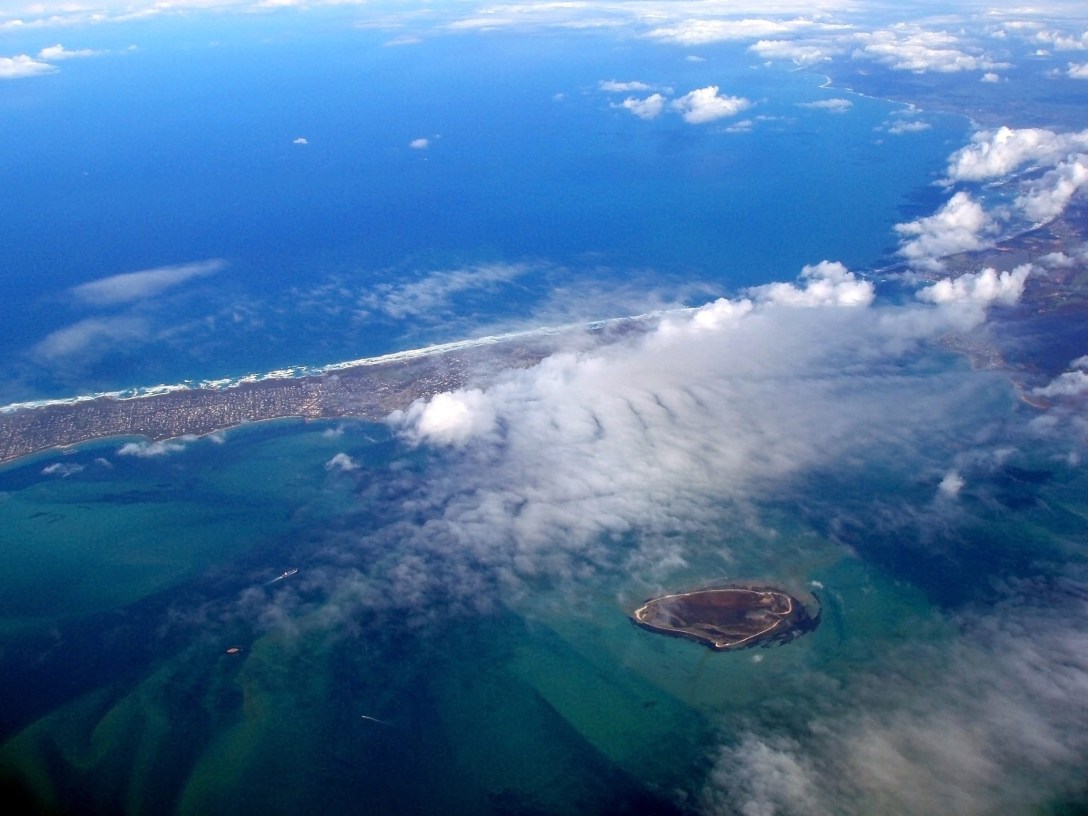
A Systems Approach to Port Phillip Bay

Port Phillip Bay is capable of providing for the 3.5 million people who dwell on the coast with a diverse and wealthy level of opportunity and exploitable capital. It is the combination of which that gives Port Phillip Bay a reputable identity.

Port Phillip Bay is a complex system, socially, economically and environmentally. It operates on a range of temporal and spatial scales. Critical ecosystem services work in unison with larger scale climate change, whilst trade fluctuates with global exchange rates. For Port Phillip Bay the range of scales presents managers with challenges as processes can occur beyond scales of technical, financial and political means.

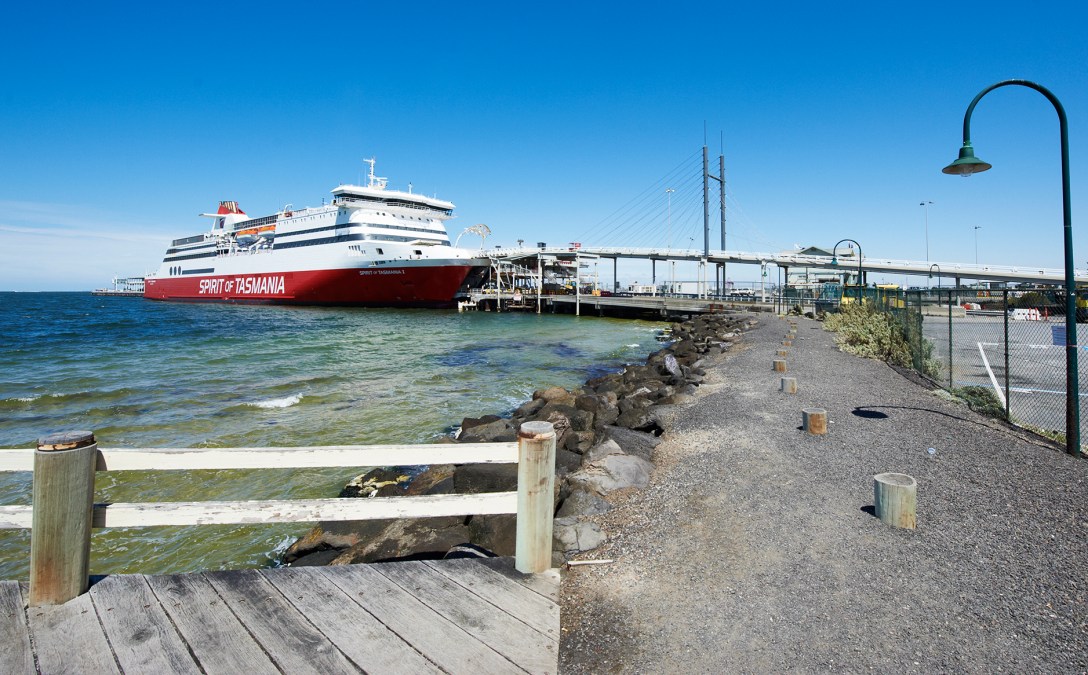
Continue reading “A Systems Approach to Port Phillip Bay”

Management and Governance

Resilience is one approach to management. All forms of management require that stakeholders take action to alter the system or promote and sustain aspects deemed to be advantageous. Stakeholders in the Port Phillip Bay system are identifies in Table 8.

Continue reading “Management and Governance”

Historic Indicators

As discussed adaptive cycles function at a variety of scales. Each component of a system also has its own adaptive cycle and they are linked in a spatial and temporal context. Interactions between the cycles involves the sharing of information or matter and as long as transfers are maintained, the system overall is sustained. Systems collapse when the exchanges fail. Continue reading “Historic Indicators”

Adaptive Cycle Indicators

A system’s resilience can only be assessed by determining its current position within the adaptive cycle. Socio-economic indicators will be used to determine the relative position of individual components within the cycle and a judgement made on the relative position of the focal system itself. Continue reading “Adaptive Cycle Indicators”