A Systems Approach to Port Phillip Bay

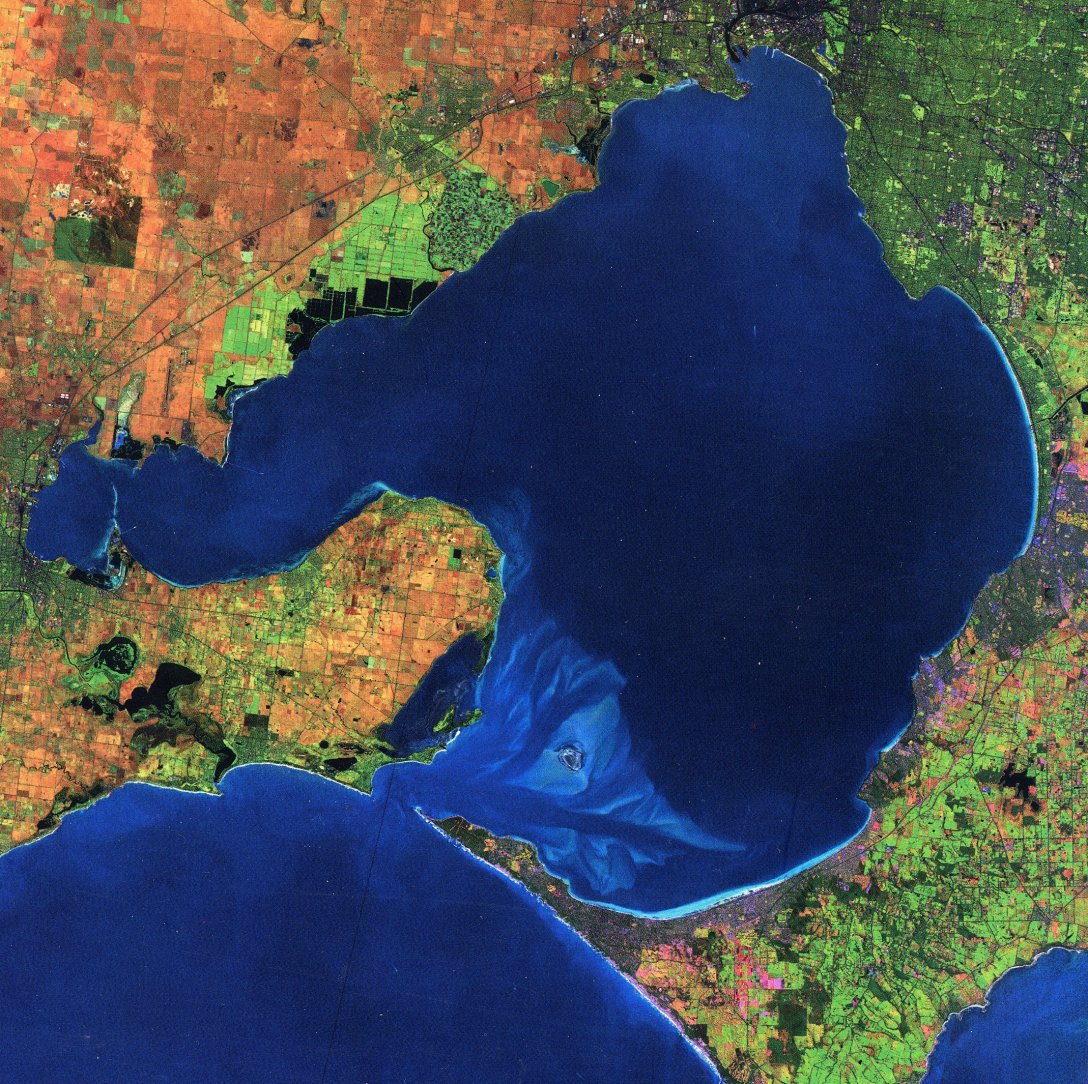
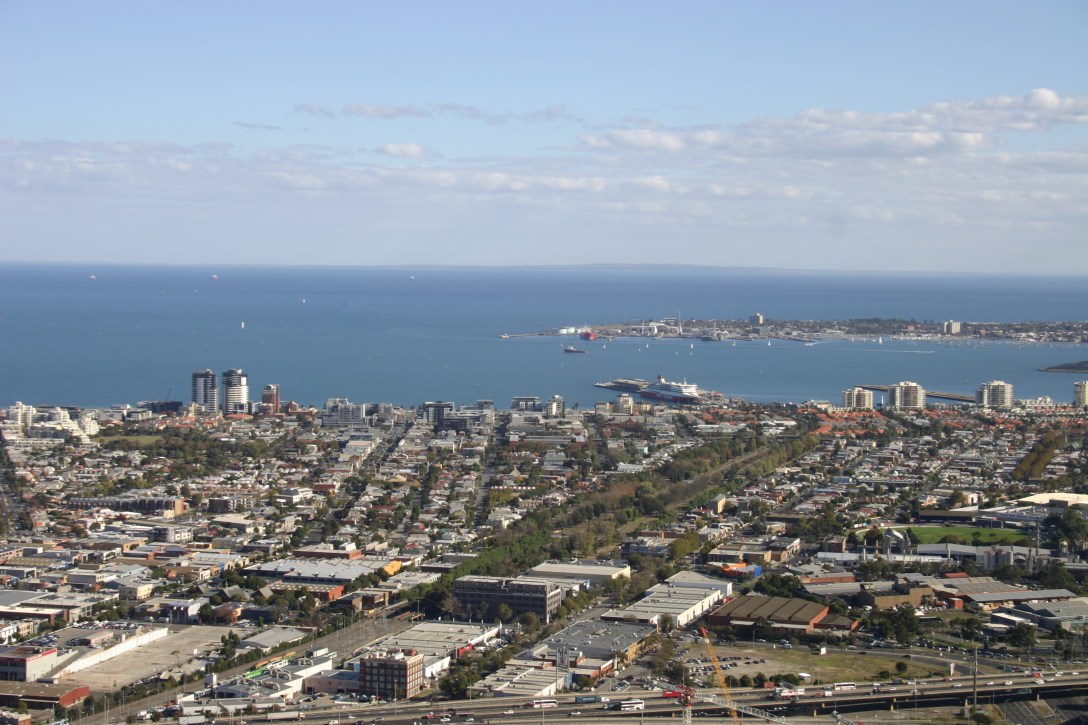
Port Phillip Bay is capable of providing for the 3.5 million people who dwell on the coast with a diverse and wealthy level of opportunity and exploitable capital. It is the combination of which that gives Port Phillip Bay a reputable identity.

Port Phillip Bay is a complex system, socially, economically and environmentally. It operates on a range of temporal and spatial scales. Critical ecosystem services work in unison with larger scale climate change, whilst trade fluctuates with global exchange rates. For Port Phillip Bay the range of scales presents managers with challenges as processes can occur beyond scales of technical, financial and political means.

Continue reading “A Systems Approach to Port Phillip Bay”

Adaptive Management

Port Phillip Bay is home to multiple formal and informal institutions across a variety of scales. Government stakeholders (Table 11) operate on larger scales and have a greater level of resources. Decisions on this scale tend to be more long term and reactionary. Formal institutions take time to set up studies and then implement their findings. The levels of influence they wield politically and financially are unmatched and have the ability to communicate their message over a large proportion of the population. This is important for shifting social attitudes and is effective at dealing with larger scale pulse events that shock a system such as a forest fire or toxic spill.

Continue reading “Adaptive Management”

Management and Governance

Resilience is one approach to management. All forms of management require that stakeholders take action to alter the system or promote and sustain aspects deemed to be advantageous. Stakeholders in the Port Phillip Bay system are identifies in Table 8.

Continue reading “Management and Governance”

Stable States and Thresholds

Disturbances can result in the collapse of the relationships between adaptive cycles at different scales. The collapse occurs when the relationship is pushed past a threshold. Systems reorganise themselves and produce a new identity as new relationships are formed. Thresholds therefore determine the system identity.

Continue reading “Stable States and Thresholds”

System Disturbances

To improve the resilience of a system, potential perturbations must be identified along with their foreseen effects. Managers will not be able to identify all the disturbances that a system can undergo or the effects that could result. Surprise events are inevitable and could be beyond the scale of influence of managers. Continue reading “System Disturbances”

Historic Indicators

As discussed adaptive cycles function at a variety of scales. Each component of a system also has its own adaptive cycle and they are linked in a spatial and temporal context. Interactions between the cycles involves the sharing of information or matter and as long as transfers are maintained, the system overall is sustained. Systems collapse when the exchanges fail. Continue reading “Historic Indicators”

Cycle Assessment

The system has shown it is capable to attract more tourists and for longer periods of stay and this has led to an increase in the value of takings.  Employment figures too have risen over the 2000-2009 period. Unemployed persons have remained steady and the trend for unemployment rates was, until 2008, down. The HPI has shown growth in both the established and project indexes. This seems to suggest that the system is still capable of growth. This puts the system outside of the late K-phase. Continue reading “Cycle Assessment”

Adaptive Cycle Indicators

A system’s resilience can only be assessed by determining its current position within the adaptive cycle. Socio-economic indicators will be used to determine the relative position of individual components within the cycle and a judgement made on the relative position of the focal system itself. Continue reading “Adaptive Cycle Indicators”