Velocity Reversal in Pool-riffle Sequences

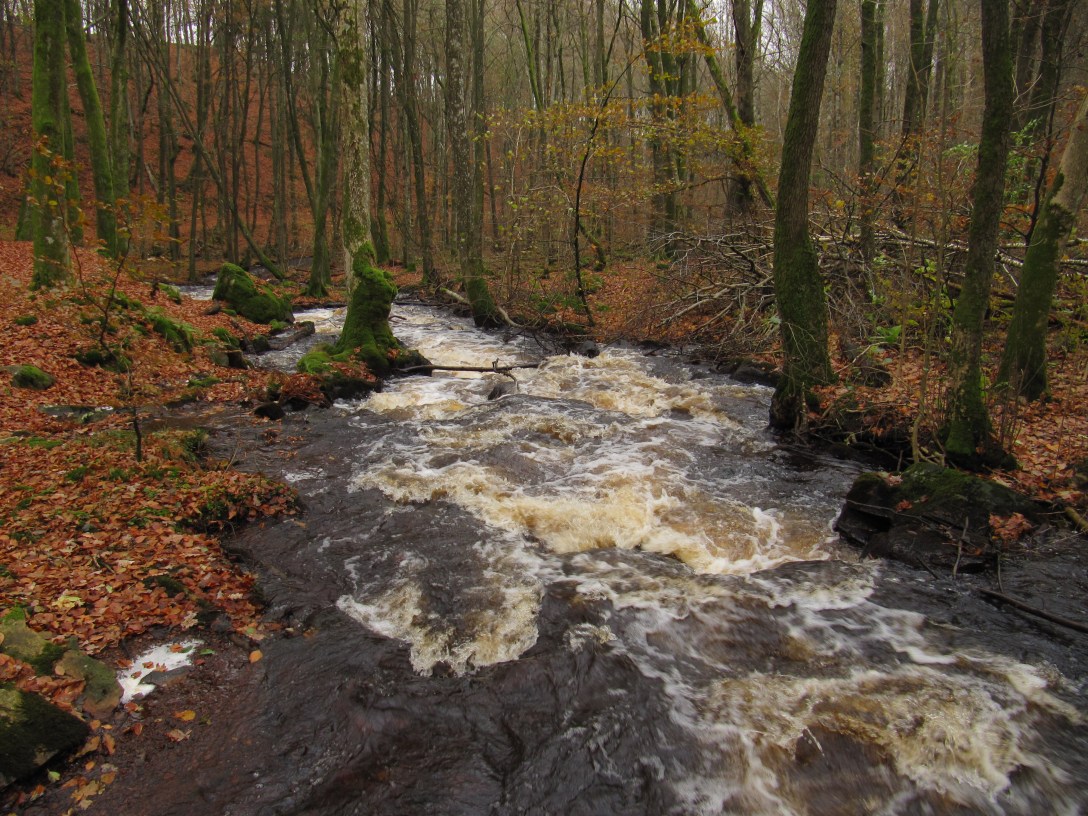
There is an exponential decline of bed material particle size as you move downstream due to the fining as a result of abrasion and sorting. Smaller particles are preferentially entrained and transported creating a set of bedforms. The most common are pool-riffle sequences which are characteristic of many single-channel alluvial rivers (Carling & Orr, 2000). They form as a series of rifles and intervening pools (Figure 1). Shallows are formed by high points in the channel called riffles. The deep reaches that supersede are known as pools.

Continue reading “Velocity Reversal in Pool-riffle Sequences”
The Florida Everglades: Human-Environment Interactions

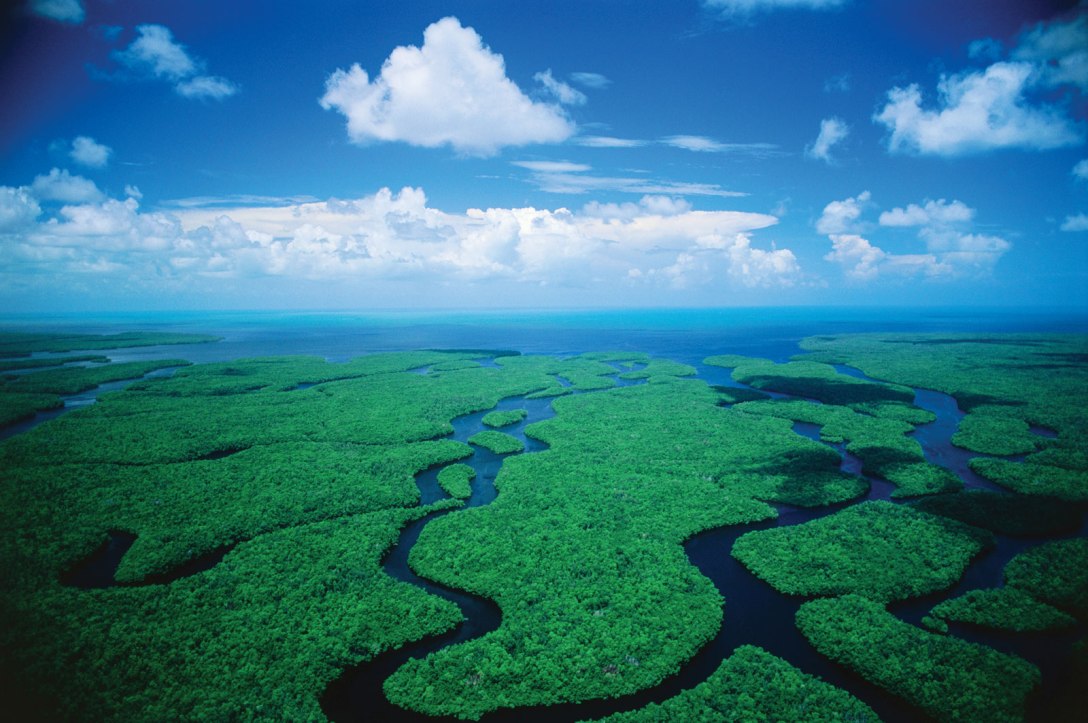
Located in Southern Florida and widely known as the “River of Grass”, the Everglades are one of the largest wetlands in the world. The ecosystem covers over 4,500 miles of slow moving waters. Water leaving the lake in the wet-season forms a slow-moving river 60 miles wide and over 100 miles long, but rarely more than a few feet deep, flowing southwards across a limestone shelf to Florida Bay at the southern end of the state (U.S. Geological Survey, 1999).

Continue reading “The Florida Everglades: Human-Environment Interactions”

Bruneau Sand Dunes, Idaho

The Bruneau Dune system is located in the Bruneau Dunes State Park, Idaho, USA (Fig 1). The park is 8 miles east-northeast of the town of Bruneau and about 18 miles south of Mountain Home. The park has an area of 19km², housing Sand Dune Lake. The majority of the Bruneau Dunes are located around the lake.

Continue reading “Bruneau Sand Dunes, Idaho”

Practical Advice on Fuel Poverty

Fuel Poverty affects 2.7 million households and represents those spending more than 10% of their income on heating. By 2015 this figure is expected to reach 3 million.

The social, financial and health effects are considerable. The Hills Review demonstrated a link to 27,000 deaths every year and an even greater number of cases of serious ill-health.

Continue reading “Practical Advice on Fuel Poverty”

Reducing CO2: Conversion Factors

There is a simple way of reducing CO2 emissions year on year without having to put any effort in at all. It requires no changing of habits, reduction in energy use or in fact any changes at all. Just by continuing to use the same amount of energy each year a reduction in carbon production can be met. This is possible due the way carbon emissions are calculated.

There are two ways. Firstly greenhouse gases can be measured by recording emissions at the source of production by continuous emissions monitoring. The second method is by estimating the amount of gases emitted using the amount of electricity consumed and applying a relevant conversion factor. This second approach is the more common and easiest to apply for individuals and organisations.

Continue reading “Reducing CO2: Conversion Factors”

An Analysis of Accessible Natural Green Space Provision for the SO50 Postal Code Area

Using the Digimap data download service, CodePoint data in .csv format was acquired for the SO50 District. The .csv file was amended; the column ‘Non-domestic_DPs’ was removed due to it containing a non-readable hyphen. The .csv file was then added to ArcMap using ‘add data’. A coordinate system was added via the tools menu and the ‘add XY data’ function. The X field was selected as easting, and Y northing. The British National Grid was chosen as the coordinate system. The table data was then converted to a shape file (.shp) using ‘export data’ and added to ArcMap. The original, now redundant, SO50 .csv file was then removed.

Continue reading “An Analysis of Accessible Natural Green Space Provision for the SO50 Postal Code Area”

The Lake as a Microcosm

Lakes are ‘a little world within itself, a microcosm within which all the elemental forces are at work and the play of life goes on in full, but on so small a scale as to bring it easily within the mental grasp’ (Forbes, 1887). A microcosm is an isolated system, independent from the wider environment. This thinking has persisted to this day in some fields (Arlinghaus et al., 2008).

The study of limnology has diversified over time, encompassing new branches of science. The 20th century saw metrology, chemistry and hydraulics brought into the field (Strom, 1929; Arlinghaus et al., 2008). Many of the views that were once held are changing. The notion that lakes are driven by small scale local processes is being challenged by larger scale changes such as global fluctuations in climate. Systems science is showing that lakes are conceptually more complex than once thought. The nature of how we approach lakes has changed. Is a microcosm approach still relevant?

Continue reading “The Lake as a Microcosm”

A Systems Approach to Port Phillip Bay

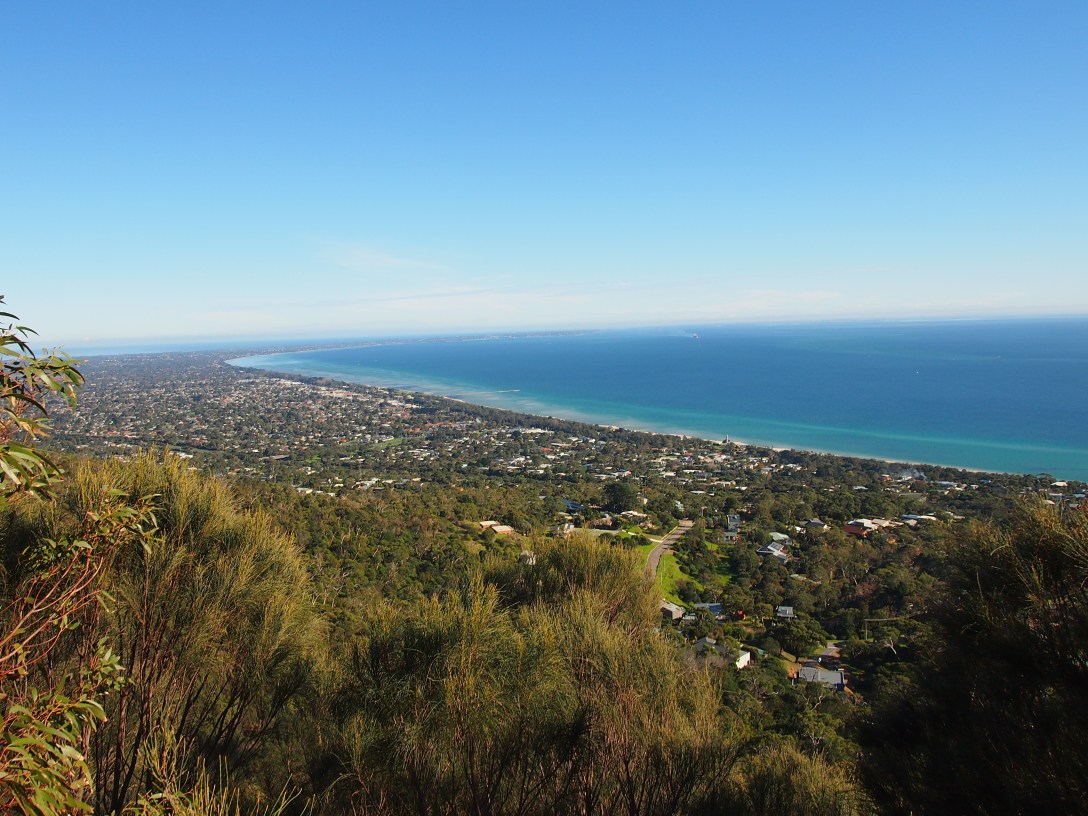
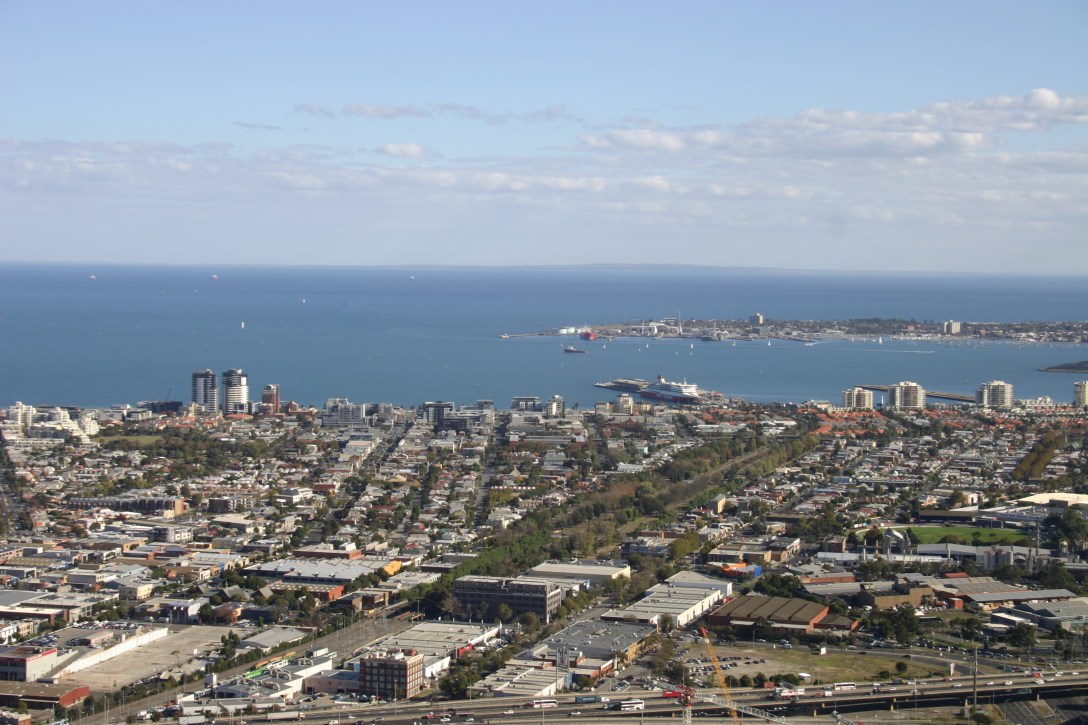
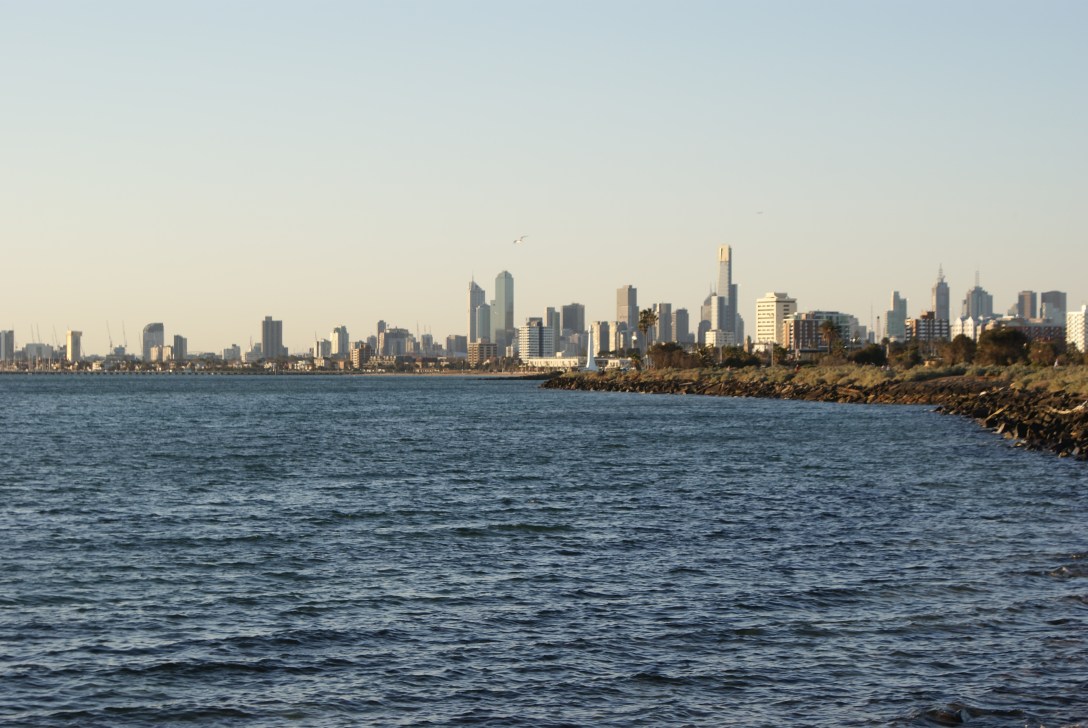
Port Phillip Bay is capable of providing for the 3.5 million people who dwell on the coast with a diverse and wealthy level of opportunity and exploitable capital. It is the combination of which that gives Port Phillip Bay a reputable identity.

Port Phillip Bay is a complex system, socially, economically and environmentally. It operates on a range of temporal and spatial scales. Critical ecosystem services work in unison with larger scale climate change, whilst trade fluctuates with global exchange rates. For Port Phillip Bay the range of scales presents managers with challenges as processes can occur beyond scales of technical, financial and political means.

Continue reading “A Systems Approach to Port Phillip Bay”

Adaptive Management

Port Phillip Bay is home to multiple formal and informal institutions across a variety of scales. Government stakeholders (Table 11) operate on larger scales and have a greater level of resources. Decisions on this scale tend to be more long term and reactionary. Formal institutions take time to set up studies and then implement their findings. The levels of influence they wield politically and financially are unmatched and have the ability to communicate their message over a large proportion of the population. This is important for shifting social attitudes and is effective at dealing with larger scale pulse events that shock a system such as a forest fire or toxic spill.

Continue reading “Adaptive Management”

Management and Governance

Resilience is one approach to management. All forms of management require that stakeholders take action to alter the system or promote and sustain aspects deemed to be advantageous. Stakeholders in the Port Phillip Bay system are identifies in Table 8.

Continue reading “Management and Governance”