Velocity Reversal in Pool-riffle Sequences

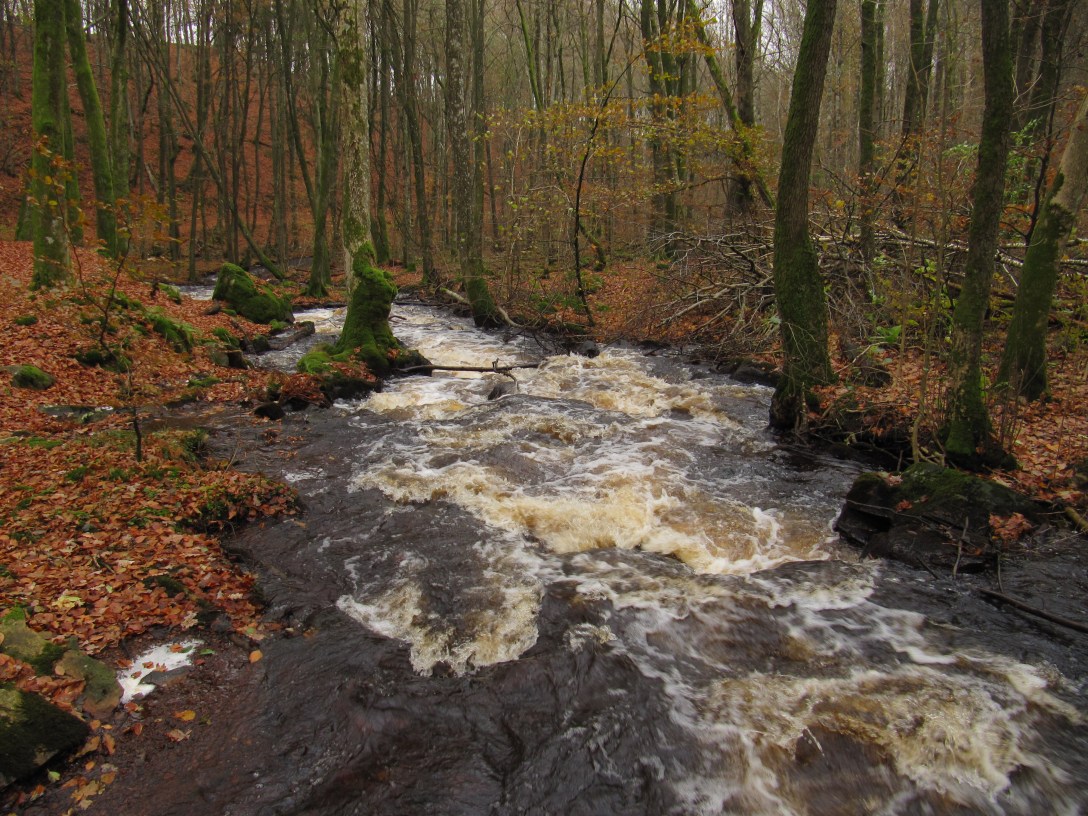
There is an exponential decline of bed material particle size as you move downstream due to the fining as a result of abrasion and sorting. Smaller particles are preferentially entrained and transported creating a set of bedforms. The most common are pool-riffle sequences which are characteristic of many single-channel alluvial rivers (Carling & Orr, 2000). They form as a series of rifles and intervening pools (Figure 1). Shallows are formed by high points in the channel called riffles. The deep reaches that supersede are known as pools.

Continue reading “Velocity Reversal in Pool-riffle Sequences”

Reducing CO2: Conversion Factors

There is a simple way of reducing CO2 emissions year on year without having to put any effort in at all. It requires no changing of habits, reduction in energy use or in fact any changes at all. Just by continuing to use the same amount of energy each year a reduction in carbon production can be met. This is possible due the way carbon emissions are calculated.

There are two ways. Firstly greenhouse gases can be measured by recording emissions at the source of production by continuous emissions monitoring. The second method is by estimating the amount of gases emitted using the amount of electricity consumed and applying a relevant conversion factor. This second approach is the more common and easiest to apply for individuals and organisations.

Continue reading “Reducing CO2: Conversion Factors”

The Lake as a Microcosm

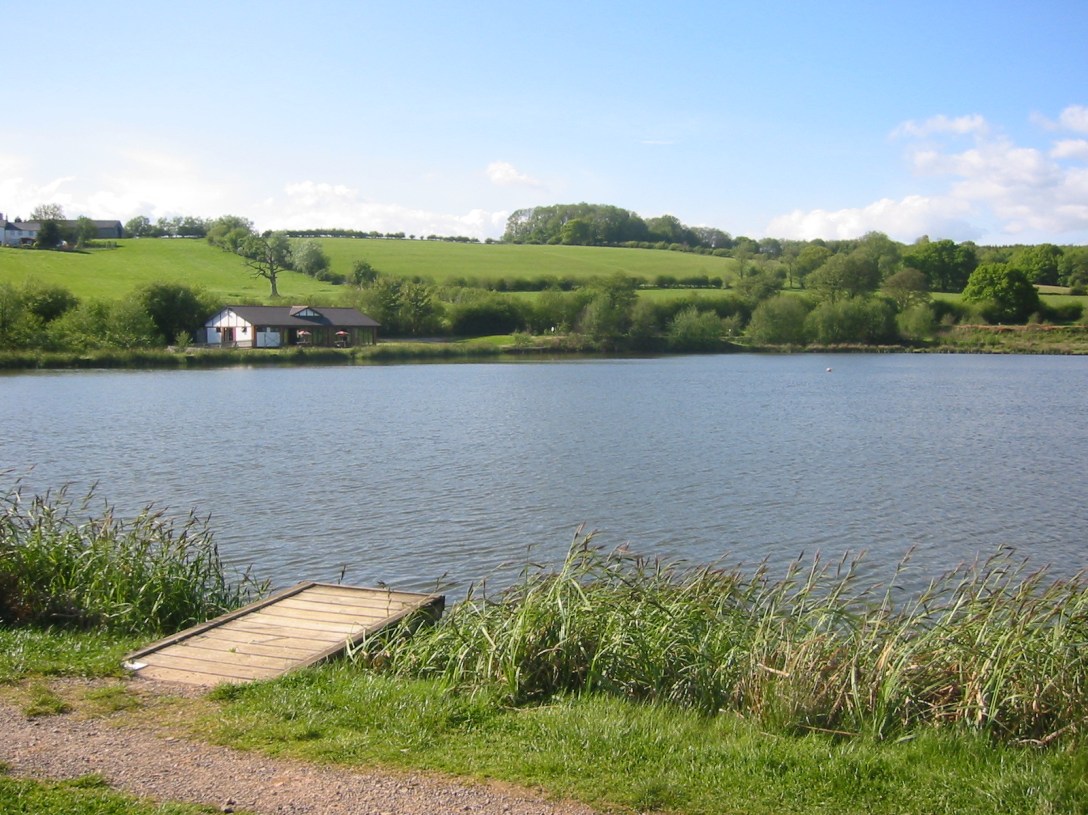
Lakes are ‘a little world within itself, a microcosm within which all the elemental forces are at work and the play of life goes on in full, but on so small a scale as to bring it easily within the mental grasp’ (Forbes, 1887). A microcosm is an isolated system, independent from the wider environment. This thinking has persisted to this day in some fields (Arlinghaus et al., 2008).

The study of limnology has diversified over time, encompassing new branches of science. The 20th century saw metrology, chemistry and hydraulics brought into the field (Strom, 1929; Arlinghaus et al., 2008). Many of the views that were once held are changing. The notion that lakes are driven by small scale local processes is being challenged by larger scale changes such as global fluctuations in climate. Systems science is showing that lakes are conceptually more complex than once thought. The nature of how we approach lakes has changed. Is a microcosm approach still relevant?

Continue reading “The Lake as a Microcosm”

A Systems Approach to Port Phillip Bay

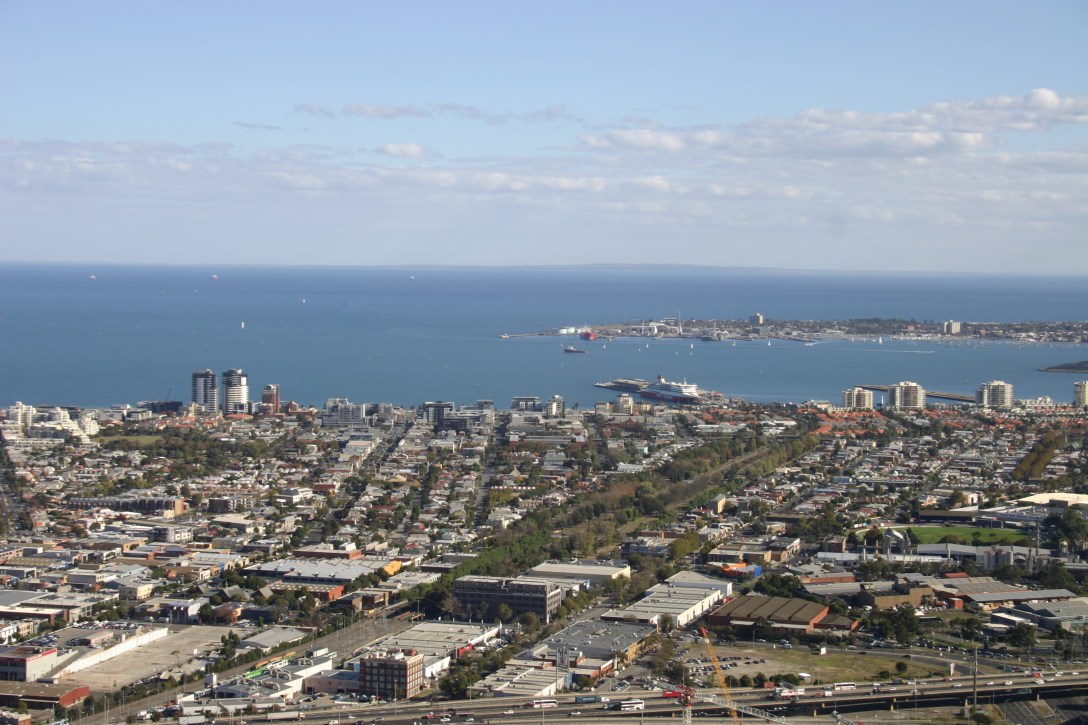
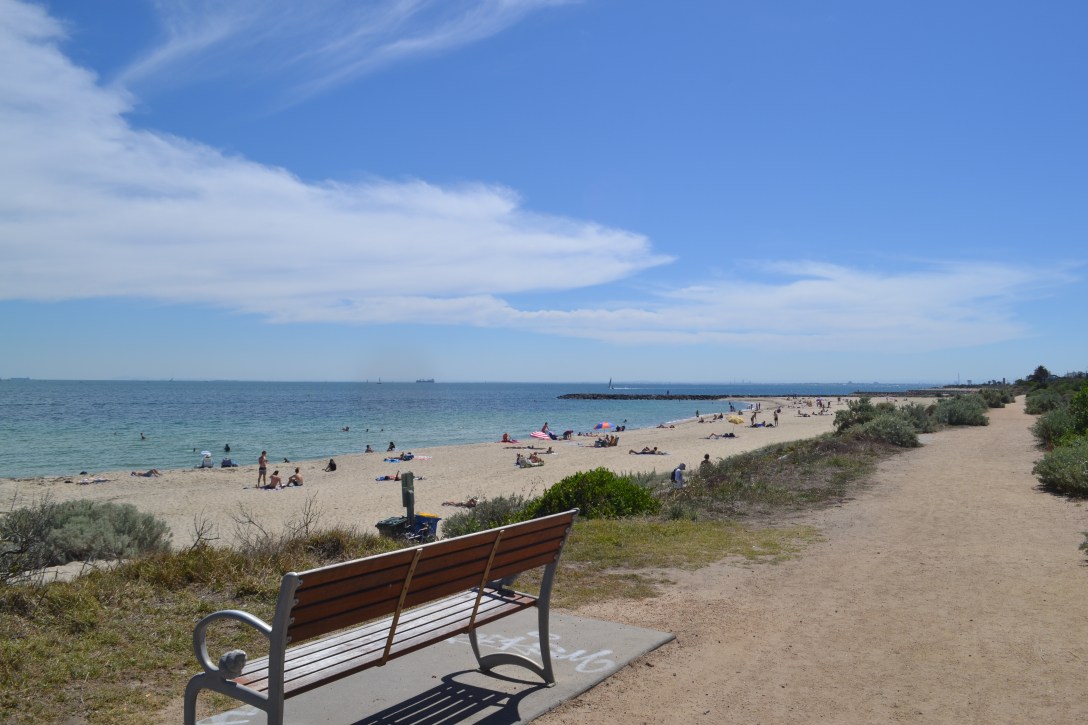
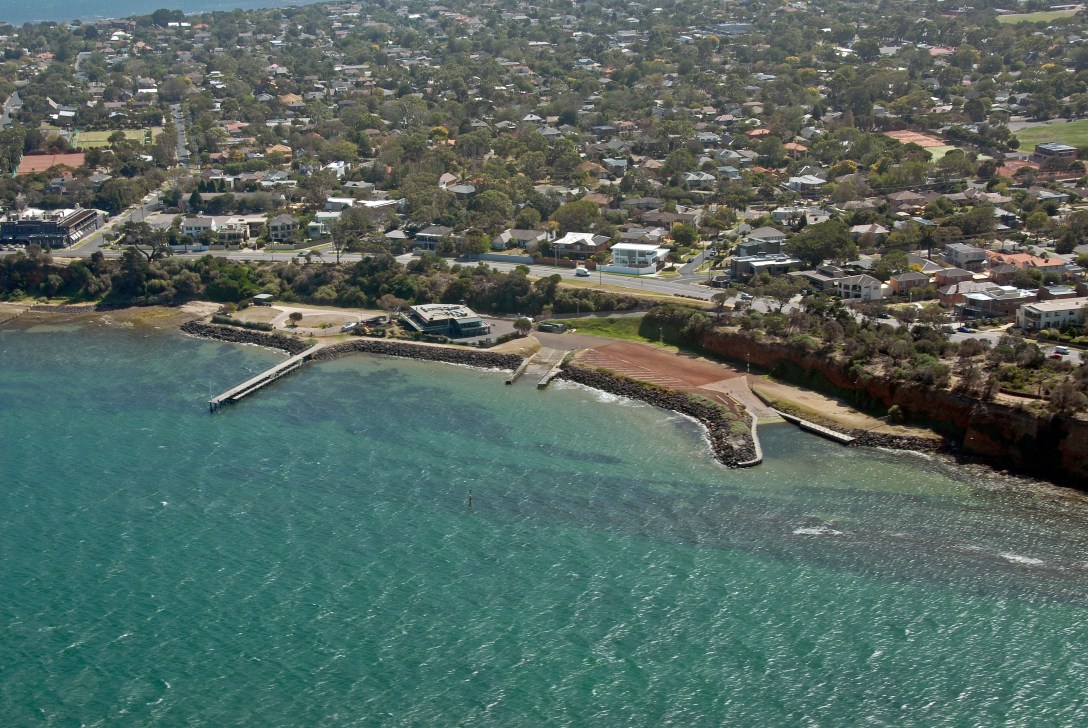
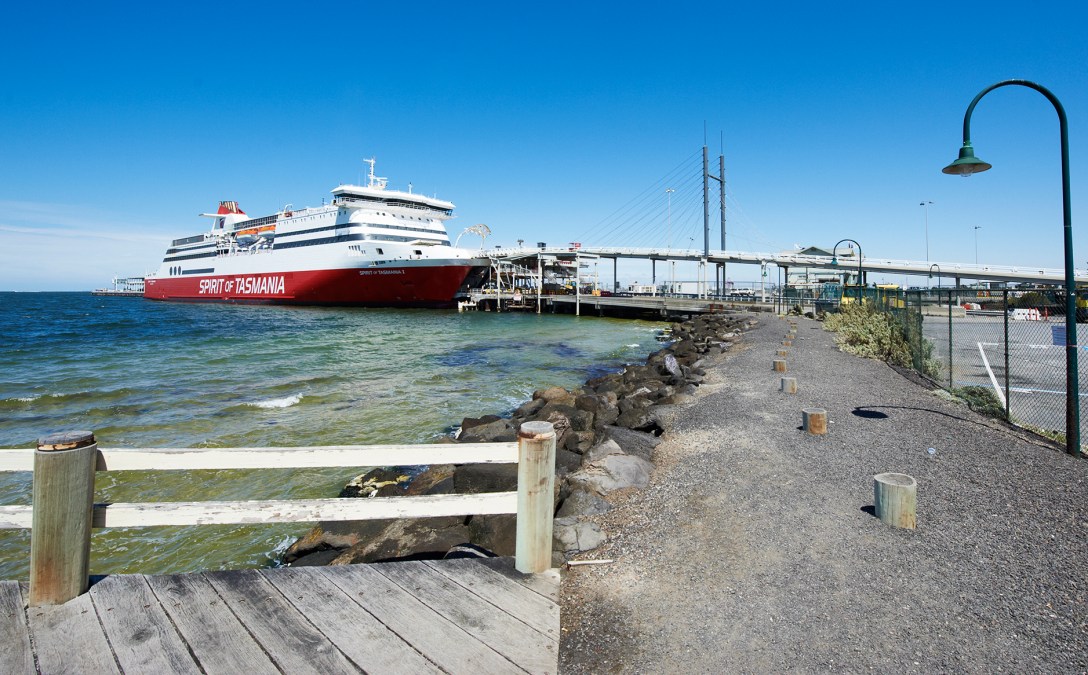
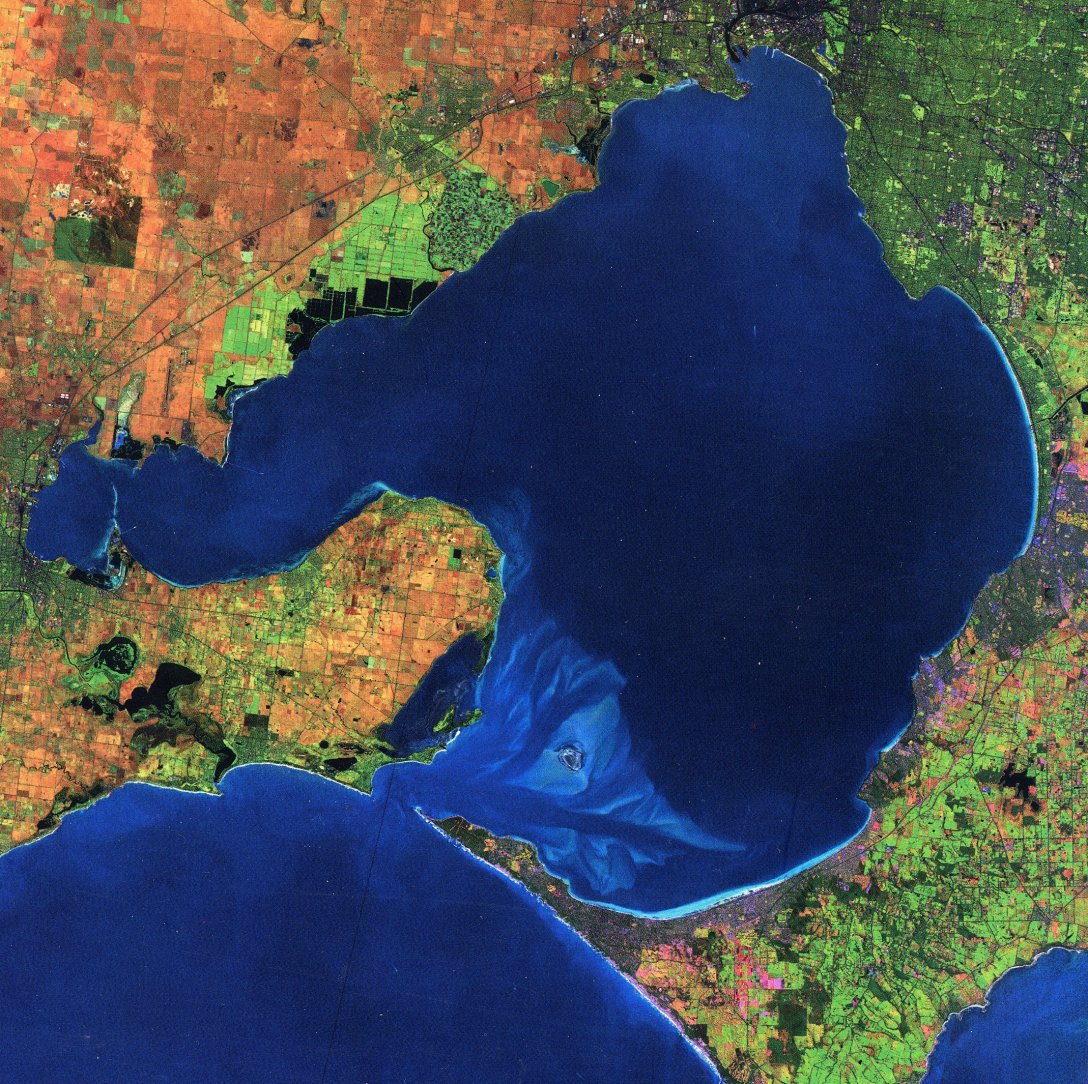
Port Phillip Bay is capable of providing for the 3.5 million people who dwell on the coast with a diverse and wealthy level of opportunity and exploitable capital. It is the combination of which that gives Port Phillip Bay a reputable identity.

Port Phillip Bay is a complex system, socially, economically and environmentally. It operates on a range of temporal and spatial scales. Critical ecosystem services work in unison with larger scale climate change, whilst trade fluctuates with global exchange rates. For Port Phillip Bay the range of scales presents managers with challenges as processes can occur beyond scales of technical, financial and political means.

Continue reading “A Systems Approach to Port Phillip Bay”

Adaptive Management

Port Phillip Bay is home to multiple formal and informal institutions across a variety of scales. Government stakeholders (Table 11) operate on larger scales and have a greater level of resources. Decisions on this scale tend to be more long term and reactionary. Formal institutions take time to set up studies and then implement their findings. The levels of influence they wield politically and financially are unmatched and have the ability to communicate their message over a large proportion of the population. This is important for shifting social attitudes and is effective at dealing with larger scale pulse events that shock a system such as a forest fire or toxic spill.

Continue reading “Adaptive Management”

Stable States and Thresholds

Disturbances can result in the collapse of the relationships between adaptive cycles at different scales. The collapse occurs when the relationship is pushed past a threshold. Systems reorganise themselves and produce a new identity as new relationships are formed. Thresholds therefore determine the system identity.

Continue reading “Stable States and Thresholds”

System Disturbances

To improve the resilience of a system, potential perturbations must be identified along with their foreseen effects. Managers will not be able to identify all the disturbances that a system can undergo or the effects that could result. Surprise events are inevitable and could be beyond the scale of influence of managers. Continue reading “System Disturbances”

Historic Indicators

As discussed adaptive cycles function at a variety of scales. Each component of a system also has its own adaptive cycle and they are linked in a spatial and temporal context. Interactions between the cycles involves the sharing of information or matter and as long as transfers are maintained, the system overall is sustained. Systems collapse when the exchanges fail. Continue reading “Historic Indicators”

Component and Service Scales

Systems change over time and space, it is unavoidable. To manage resilience, understanding that systems change across and influence multiple scales is needed. Scales above the focal system are also significant to maintaining resilience. Continue reading “Component and Service Scales”